

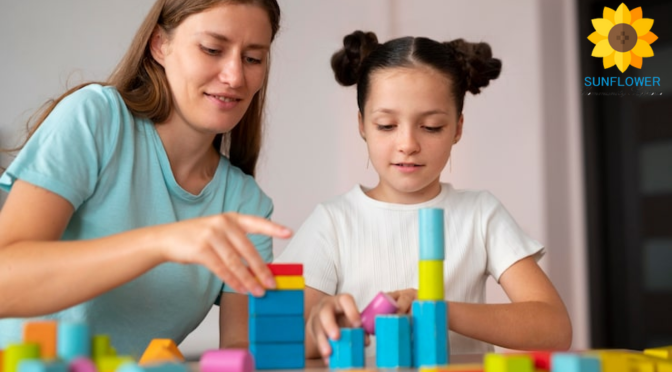
Growth and development take place in the early years of a child’s life. However, for children with developmental delays or disabilities in Melbourne, timely and targeted support is a must. This is where the NDIS Early Childhood Approach (ECEI) comes in. It is designed to provide the supports that children require.
ECEI takes a holistic view of the child and family. It includes several core services as part of its intervention plans. These are Occupational Therapy, Speech Pathology, and Cognitive Assessments. These empower parents to advocate effectively for their child’s needs.
A Collaborative and Holistic Approach to Early Childhood Intervention
Before diving into the composition of NDIS early childhood intervention in Melbourne, it’s important to understand that ECEI is not a one-size-fits-all program. It starts with an assessment by an NDIS Early Childhood Partner who understands your child’s unique needs, challenges and strengths. From there, they develop a personalised plan which includes a team of allied health professionals working together towards common goals.

Let us now discuss the inclusions.
Occupational Therapy: Building Skills for Daily Life
Occupational Therapy (OT) in early childhood is about helping children participate in their everyday activities, such as play, self-care, and learning activities.
An NDIS-funded OT looks at the whole child and support with:
Sensory Processing: Support staff help over and under-sensitive children with the regulation of their responses to the world around them.
Fine Motor Skills: Staff help develop motor skills so children can hold pencils, use scissors, or push buttons.
Gross Motor Skills: Professionals help improve large movements like crawling, walking, climbing, and balance to confidently explore their environment.
Self-Care Independence: Staff develop routines and skills for eating, dressing, and toileting.
Usually, play-based activities are arranged under Occupational Therapy to help children build the foundational skills they need to engage with others in their homes, childcare centres and in communities.
Speech Pathology: More Than Just Words
Speech Pathology is an important constituent of early intervention. A Speech Pathologist addresses various aspects of communication, including:
Receptive Language: A child’s ability to understand words, sentences, and instructions.
Expressive Language: The way a child uses words, gestures, and sentences to express their needs and preferences.
Social Communication: This includes vital skills of taking turns in conversation, such as using eye contact and understanding social cues.
Speech Clarity: Clear communication that can be understood by others.
Feeding and Swallowing: Addressing challenges with swallowing, chewing, and managing different food textures.
Support workers target these areas as part of Speech Pathology. By doing so, they reduce frustration and enable children to interact successfully with their families.
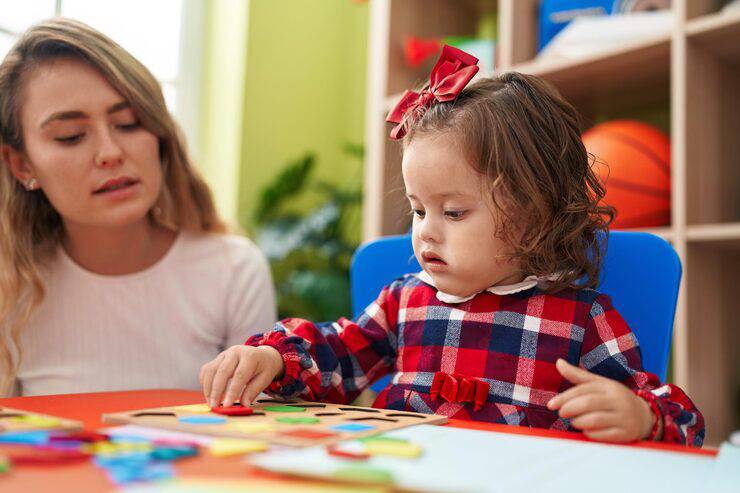
Cognitive Assessments: Understanding How a Child Learns
Cognitive assessments are categorised under early childhood intervention in Melbourne. It plays a vital role in a child’s development. These are essential tools that help understand children’s unique learning profiles.
These tests are conducted by psychologists or trained specialists. They evaluate various cognitive processes, such as:
- Problem-solving and reasoning
- Memory and attention
- Visual processing
- Conceptual thinking
With this type of intervention, specific strategies can be developed for child development that align with their needs.
The strength of the NDIS ECEI in Melbourne lies in the application of the right strategies. Through collaboration and child-centred partnership, support workers unlock a child’s potential, thus laying a strong foundation for their future learning, development, and well-being.
Make an Appointment Today
To discuss your requirements with Sunflower Community Supports, schedule an appointment today. Call us or click the Make an Appointment button at the top, fill in the details and submit the form so we can connect with you.
FAQs
2. Does my child need a formal diagnosis to access ECEI?
No. You can access support for a developmental delay without a formal diagnosis. The NDIS focuses on your child's functional needs and the impact of the delay.
3. How does Occupational Therapy (OT) help in early intervention?
OT helps children develop the skills needed for their daily "occupations," which are playing, self-care (like dressing and eating), and sensory processing, so they can participate more confidently in life.
4. What does a Speech Pathologist do for young children?
They work on all areas of communication, including understanding language, expressing wants and needs, social skills, speech clarity, and even feeding and swallowing difficulties.
5. What is a cognitive assessment, and why is it used?
It's a tool to understand how a child learns, thinks, and problem-solves. The results help therapists and parents tailor learning and intervention strategies to the child's unique strengths.
6. Who creates my child's intervention plan?
An NDIS Early Childhood Partner works with you and your family to conduct an assessment and develop a personalised ECEI plan based on your child's specific goals and needs.
7. Are these therapies done in isolation?
No. A key strength of ECEI is collaboration. OTs, Speech Pathologists, and other professionals often work as a team, sharing insights to create a consistent and effective approach for your child.
8. What's the difference between a Speech Pathologist and an Occupational Therapist in ECEI?
While they overlap, a Speech Pathologist focuses primarily on communication and feeding, while an OT focuses on sensory, motor, and self-care skills needed to engage with their environment.
9. How are parents involved in the therapy process?
Parents are coached and trained in strategies to use at home. You are considered a crucial part of the team, empowering you to support your child's development in everyday routines.
10. Where do these therapy sessions take place?
Therapy is often delivered in the most natural setting for the child, which can include your home, their childcare centre, kindergarten, or a community playgroup.
