

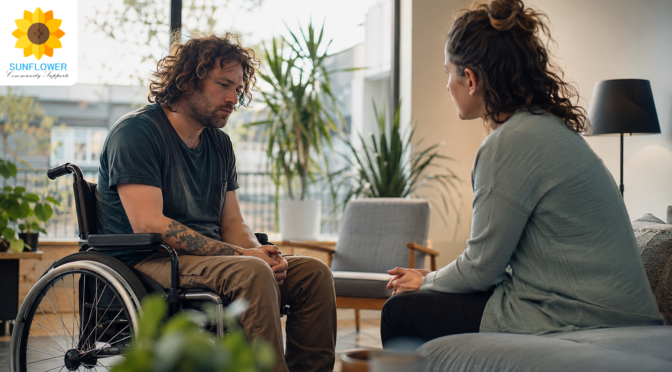
Mental health challenges can affect every part of a person’s life, from relationships and employment to confidence, independence, and community participation. For many Australians living with psychosocial disabilities, accessing the right support at the right time can make a meaningful difference. This is where recovery-oriented mental health counselling under the NDIS plays an important role.
Unlike traditional approaches that focus only on symptoms or diagnoses, recovery-oriented mental health counselling by NDIS providers in Melbourne focuses on helping NDIS participants build meaningful, independent, and fulfilling lives. It is centred around personal goals, emotional wellbeing, resilience, and long-term recovery.
What Is Recovery-Oriented Mental Health Counselling?
Recovery-oriented NDIS counselling services in Melbourne are a participant-focused approach that supports individuals in understanding their emotions, managing mental health challenges, and developing practical coping strategies. Rather than simply addressing difficulties, this counselling model encourages participants to recognise their strengths, regain confidence, and improve their overall quality of life.
Under the NDIS, recovery-oriented mental health counselling often supports people living with anxiety, depression, trauma, psychosocial disabilities, emotional stress, social isolation, and other ongoing mental health conditions.
The goal is not just clinical support. It is about empowering participants to live more independently while improving emotional stability, decision-making abilities, and everyday functioning.
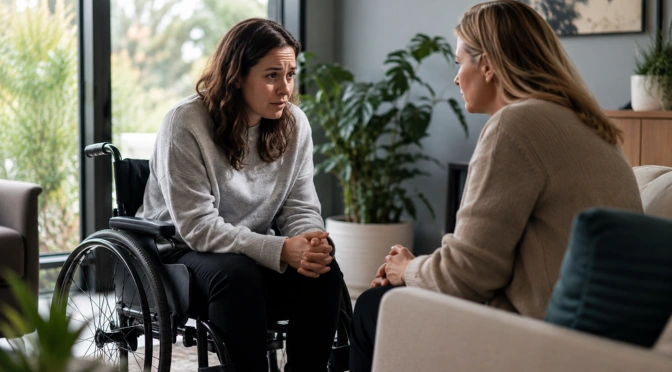
Why Recovery-Oriented Support Matters for NDIS Participants
Every participant experiences mental health challenges differently. Recovery-oriented counselling acknowledges that no two recovery journeys are the same. This personalised approach allows participants to feel heard, respected, and actively involved in their own support planning.
Many NDIS participants struggle with social withdrawal, low self-esteem, emotional distress, and reduced confidence in daily life. Consistent NDIS counselling services in Melbourne can help participants better understand their emotions while developing healthier ways to manage stress, relationships, and life transitions.
Importantly, recovery-oriented counselling also encourages community participation and social connection. This can help reduce feelings of isolation while supporting participants to engage more confidently in education, employment, volunteering, and everyday activities.
Supporting Emotional Well-being & Independence
Mental health counselling under NDIS in Melbourne is not only about emotional support. It can also help participants develop practical life skills that contribute to greater independence and long-term stability.
Participants may receive support with:
- Emotional regulation and stress management
- Building confidence and resilience
- Managing anxiety and depression
- Developing healthier routines
- Improving communication and relationships
- Goal setting and decision-making
- Strengthening social participation
This support by experts from NDIS support providers in Melbourne can positively influence many areas of daily living while helping participants work towards personal recovery goals at their own pace.
The Growing Need for Mental Health Counselling Under the NDIS
Across Melbourne, awareness surrounding mental health and psychosocial disability support continues growing rapidly. More participants are now seeking recovery-focused counselling services that prioritise dignity, choice, emotional safety, and long-term wellbeing.
Recovery-oriented mental health counselling in Melbourne provides a safe and supportive environment where NDIS participants can openly discuss challenges, build coping strategies, and regain greater control over their lives.
The Final Words
As the NDIS continues evolving, participant-centred mental health support will remain essential in helping participants build confidence, strengthen independence, and achieve improved emotional wellbeing for the future. If you are looking for experienced professionals who provide recovery-oriented mental health counselling in and around Melbourne, Sunflower Community Supports has to be your one-stop solution. Call us at 0414 416 522 to set an appointment with us, or submit the contact form after properly filling it out. We will reply at the earliest.
FAQs
Who can access recovery-oriented counselling through the NDIS?
NDIS participants living with psychosocial disabilities, anxiety, depression, trauma, emotional distress, or ongoing mental health challenges may benefit from recovery-oriented counselling support.
How does recovery-oriented counselling differ from traditional counselling?
Recovery-oriented counselling focuses on participant strengths, personal goals, independence, emotional growth, and long-term wellbeing rather than only managing symptoms.
Can recovery-oriented counselling help with anxiety and depression?
Yes, recovery-oriented counselling can help participants better manage anxiety, depression, emotional stress, and everyday mental health challenges through personalised support strategies.
Does NDIS funding cover mental health counselling services?
Depending on a participant’s plan and goals, the NDIS may fund counselling-related supports connected to psychosocial disability and emotional wellbeing.
How does counselling support independent living?
Counselling can help participants build confidence, improve decision-making skills, develop healthier routines, and strengthen emotional coping strategies for daily life.
Can recovery-oriented counselling improve social participation?
Yes, counselling often helps participants reduce social isolation, improve communication skills, and feel more confident participating in community and social activities.
Is recovery-oriented counselling personalised for each participant?
Absolutely. Recovery-oriented counselling is customised to each participant’s individual goals, emotional needs, recovery journey, and support requirements.
How often can NDIS participants attend counselling sessions?
The frequency of counselling sessions depends on individual support needs, participant goals, and available NDIS funding within the participant’s plan.
Why is recovery-oriented mental health support important for NDIS participants?
Recovery-oriented support helps participants improve emotional wellbeing, strengthen resilience, build independence, and achieve better long-term quality of life outcomes.
